Yeebo and eastwood art gallery
Home
About Us
Collection
Contact Us
Gallery Shop
News & Events
…
Home
About Us
Collection
Contact Us
Gallery Shop
News & Events
Yeebo and eastwood art gallery
Home
About Us
Collection
Contact Us
Gallery Shop
News & Events
…
Home
About Us
Collection
Contact Us
Gallery Shop
News & Events
All Categories - Yeebo and Eastwood art gallery
All
古代艺术品
资料相关
Buy now
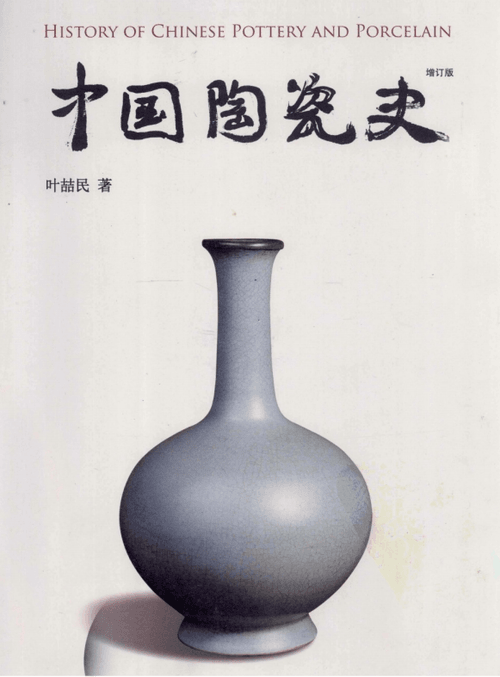
History of Chinese pottery and porcelain 中国陶瓷史
扫描版<br>Publisher : Sanliang Publishing House<br>Publication date : 3. 2011<br>Edition : Standard<br>Language : Chinese
$2.99
Out of Stock
Buy now
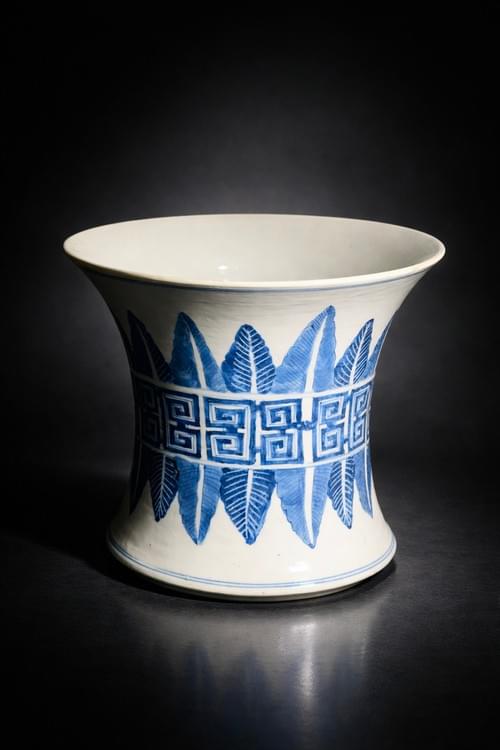
清 青花回字纹蕉叶纹笔海
Qing to Republic Period “Key-Fret and Plantain Leaf” Brush Pot<br><br>22.5 x 25.5cm dia<br><br>Of flared mouth and waisted body on a circular foot, the vessel is sturdily potted with well-proportioned form typical of scholar’s studio wares. The exterior is decorated in underglaze blue with a band of stylized plantain leaves above a continuous key-fret (leiwen) border.<br><br>The cobalt displays a soft blue-grey tone with natural bleeding, consistent with late Qing to early Republican kiln characteristics. The glaze is slightly creamy with minor kiln speckles and age-related wear to the footrim.<br><br>Brush pots of this type were used in traditional literati studios for holding writing brushes, combining both functional and decorative appeal.<br><br>器呈喇叭口,束腰,下承圈足,整体线条舒展挺拔,造型端庄中见张力,典型文房笔海式样。胎体坚致细腻,修足规整,露胎处可见自然火石红及使用痕迹,时代感明显。<br><br>通体施白釉,釉面温润略泛米黄,局部可见细微窑斑,为晚期民窑常见特征。外壁以青花绘饰,构图分带布局:<br><br>上部绘蕉叶纹,叶片修长挺拔,叶脉以细线勾勒,层次分明,具有明显装饰性;<br><br>中部饰回字纹带,线条规整,节奏感强,寓意“连绵不断、福寿相续”;<br><br>下部留白衬托,整体疏密得当,富有文人器韵。<br><br>青花发色偏蓝灰,晕散自然,笔触流畅而不拘谨,呈现出晚清至民国时期实用与装饰并重的风格特征。<br><br>此类笔海为传统文房陈设用器,用于蓄笔、养笔,亦具陈设观赏价值。器形大方,纹饰古朴,兼具实用与装饰性,适合书房陈设或收藏把玩。
$899.00
Buy now
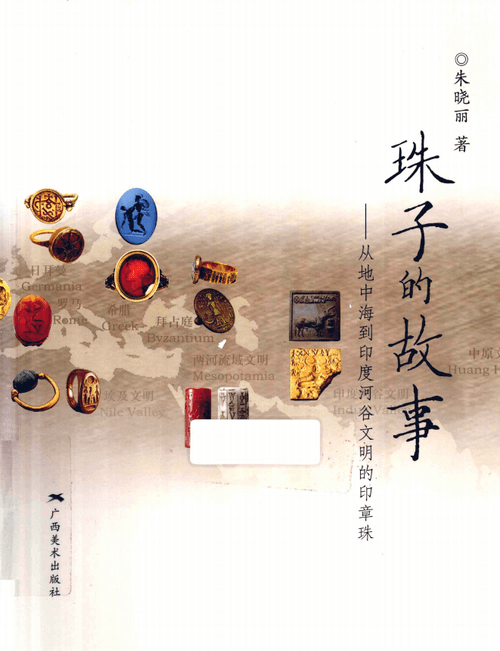
从地中海到印度河谷文明的印章珠
Publisher : Guangxi Publishing House<br>Publication date : 2. 2013<br>Edition : Standard<br>Language : Chinese
$2.99
Buy now
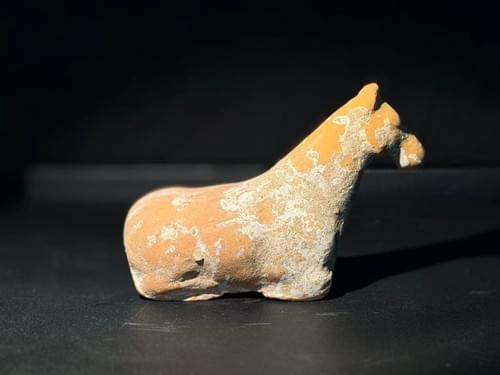
唐 陶马
A pottery figure of a recumbent horse in the Tang dynasty. <br><br>11 x 7.5cm<br><br>A pottery figure of a recumbent horse in the Tang dynasty. The animal is modeled with its legs tucked beneath the body, forming a compact and sturdy silhouette. The surface bears a reddish slip with grayish burial encrustations. Such figures were used as mingqi (funerary objects), reflecting the importance of horses in Tang society as symbols of status, mobility, and military power.<br><br>陶马呈卧姿,四肢内敛于腹下,体态敦厚稳重,造型简洁而富整体感。马首微俯前探,颈部短促有力,轮廓线条流畅自然,虽未作细部雕琢,却以概括手法准确表现出马匹沉静安伏之姿,具有唐代陶俑一贯的雄浑气息。<br><br>通体施红褐色陶衣,表面覆以灰白色风化层及土沁,肌理自然,层次丰富。胎质略显疏松,底部可见手工修整痕迹,结合中空结构,应为模制成型后加以人工修饰完成,符合唐代陶俑常见工艺特征。<br><br>唐代社会崇尚马匹,马不仅为军事与交通之核心资源,亦象征身份与权力。墓葬中常见陶马与人物俑、骆驼俑等组合陈设,用以再现墓主人生前生活场景,构建完整的地下秩序体系。<br><br>相较于施三彩釉之华美器,此类素陶陶马更显古朴内敛,重在形体与气势之表达,体现出唐代审美中“尚势重形”的艺术特征,具有朴拙而耐人寻味的艺术价值。
$399.00
Buy now
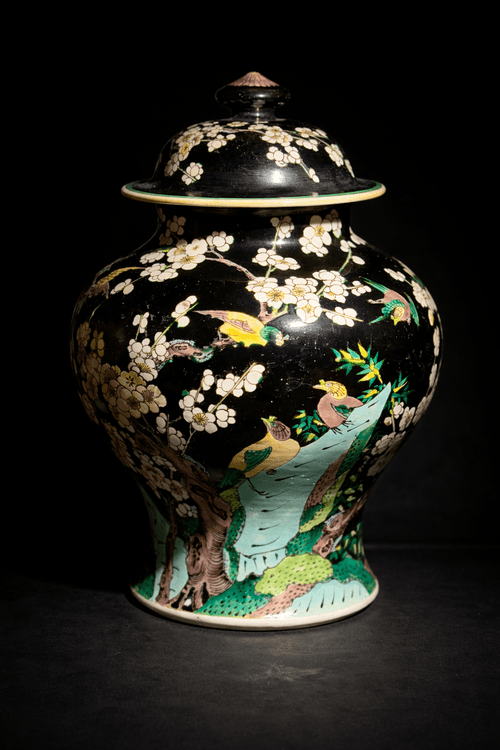
清 墨地三彩将军罐
A Black-Ground Famille Verte Jar with Floral and Bird Decoration (“Leaf Mark”), Qing Dynasty<br><br>30cm<br><br>The jar is of baluster form with a domed cover, supported on a circular foot. The exterior is coated in a deep black glaze, decorated in famille verte enamels with prunus blossoms and birds. The composition is well balanced, with lively birds set among flowering branches, painted in white, green, and soft pink tones.<br><br>The enamels are thickly applied, producing a rich yet restrained palette with strong visual contrast against the dark ground. The base bears a stylized leaf mark within a double blue circle, a decorative motif seen from the Kangxi period and continuing into later Qing.<br><br>此件将军罐器形端庄挺拔,直口束颈,丰肩鼓腹,下承圈足,配原盖,整体比例协调,气势饱满。通体以墨地为饰,釉色深沉凝重,黑釉之上以三彩绘饰花鸟纹,形成鲜明对比,视觉效果尤为醒目。<br><br>腹部主体绘梅花与栖鸟,枝干遒劲有力,花朵点簇疏密有致,设色以白、绿、粉为主,彩料堆积厚实,色泽沉稳而富层次。鸟形灵动,或振翅欲飞,或回首顾盼,生机盎然。底部辅以山石、竹叶等纹饰,使画面更具空间感与文人意趣。整体绘画用笔流畅自然,虽属装饰题材,却不失写意精神。<br><br>墨地三彩为清代瓷器中较具特色的一类装饰形式,以黑釉为地,施以绿、黄、白等彩料,形成对比强烈而富装饰性的视觉效果。此类器物在康熙时期已见成熟应用,其后至晚清仍有延续生产。底部所见青花双圈内绘“树叶款”,为此类器物中常见之装饰性款识之一,虽非官窑年款,却具有明确的时代风格指向。<br><br>就本器而言,胎质细腻坚致,釉面光润,彩料厚重饱满,发色沉稳而不浮艳,整体呈现出较为成熟的烧造水平。结合器形、装饰风格及款识特征。梅花象征坚贞高洁,亦寓“报春之意”;禽鸟相伴,常取“喜上眉梢”“春回大地”之吉祥寓意,寄托对美好生活与生机复苏的向往。整器既具陈设之美,亦含文人审美之意趣。
$2,999.00
Buy now
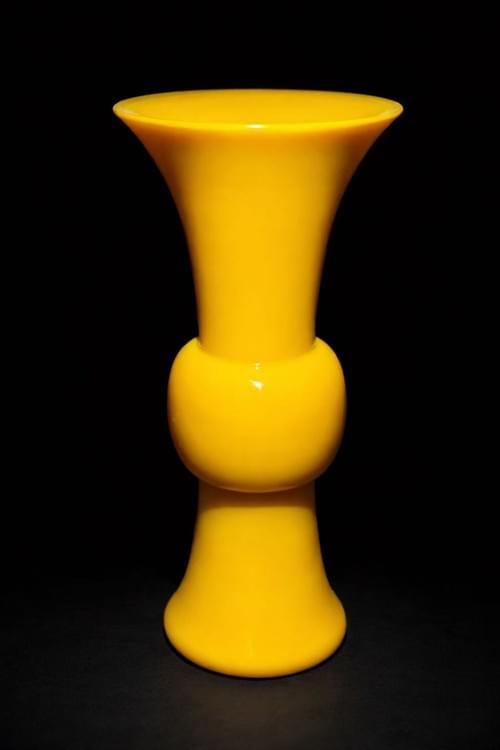
民国 琉璃花觚
Republic Period, Imperial Yellow Glass Gu Vase<br><br>30cm<br><br>This gu-form vase is elegantly proportioned, featuring a flared mouth, slender neck, rounded shoulder, and high foot. The silhouette is refined and well-balanced, with smooth and confident lines. The entire body is rendered in imperial yellow glass, displaying a bright, even, and lustrous tone with a rich, luminous surface. The finish is finely polished, and under light it reveals a soft, radiant glow, enhancing its visual appeal.<br>The gu form originates from archaic bronze vessels and was later reinterpreted in glass during the late Qing and Republican periods, serving both decorative and aesthetic purposes. Imperial yellow has long symbolized authority and auspiciousness, and such pieces were often used as interior ornaments or scholarly objects. This example reflects both a continuation of classical tradition and a refined adaptation in modern craftsmanship. <br><br>此件花觚器形挺拔秀雅,撇口外展,束颈丰肩,下承高足,整体比例修长端庄,线条流畅有力。通体施帝王黄琉璃,色泽纯正明亮,光洁莹润,呈现出温润而富有层次的视觉效果。釉面均匀细腻,玻璃质感强烈,于光照下透出柔和光晕,极具观赏性。<br><br>花觚原为仿古青铜器形制,至清末民国时期多以玻璃材质重新诠释,兼具陈设与审美价值。帝王黄为尊贵色彩,自古象征权威与吉祥,此类作品多用于厅堂陈设或文人案头,体现对传统礼制与古雅风格的延续与再创造。整器工艺精良,造型典雅,具有鲜明时代特征与良好的收藏价值。<br><br>
$3,599.00
Out of Stock
Buy now
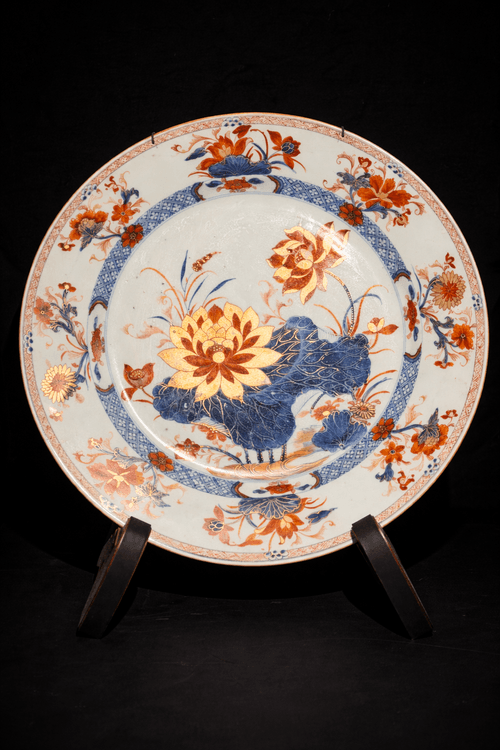
清 矾红描金盘
Iron-Red and Gilt-Decorated Plate, Qing Dynasty<br><br>34.5cm<br><br>During the Kangxi period, export porcelain reached a significant stage of development in the Qing dynasty. With the revival of maritime trade, wares from Jingdezhen were widely exported to Europe, Japan, and beyond.<br><br>This dish features a lotus motif, symbolizing purity and integrity—“rising unstained from the mud.” The interplay of lotus and leaves conveys auspicious meanings such as “abundance year after year” and “continuous blessings.” The flourishing floral decoration represents prosperity and success, while the gilt accents signify honor and wealth. Altogether, the design embodies both refined elegance and auspicious symbolism.<br><br>清矾红描金大盘,器形规整开阔,胎质细腻坚致。盘心以折枝莲花为主题,青花铺陈荷叶,矾红与描金勾绘花瓣,金彩点缀华丽而不失雅致。外壁与口沿辅以缠枝花卉及几何纹带,布局疏密有致,装饰繁而不乱。整体设色鲜明,对比强烈,既承明代五彩遗风,又展现康熙时期工艺之精湛。<br><br>康熙一朝为清代外销瓷的重要发展阶段,随着海上贸易恢复,景德镇瓷器大量远销欧洲、日本等地。此类矾红描金器多迎合海外市场审美,色彩浓丽、装饰繁复,兼具东方意趣与异域风格,常见于外销瓷体系之中。该类大盘既可供宴飨陈设,亦为当时中外贸易与文化交流的重要见证,具有鲜明时代背景与较高收藏价值<br><br>此盘以莲花为主题,寓意“出淤泥而不染”,象征清净高洁与品格端正;莲与荷叶相映,亦有“连年有余”“连生贵子”的吉祥含义。花卉繁盛,寓意富贵荣华、兴盛昌隆;金彩点缀,则象征富贵与尊荣。整体纹饰传达出清雅高洁与吉庆富足并存的美好祝愿。
$1,299.00
Buy now
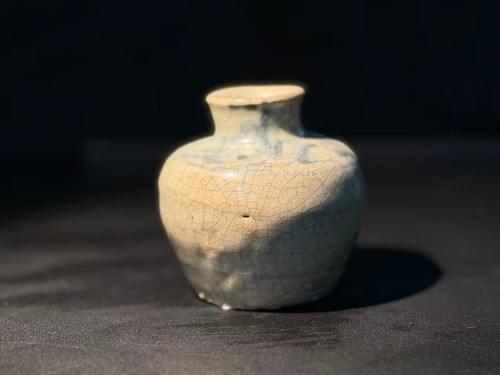
明 青花小罐
A small blue and white jar, Ming Dynasty<br><br>7 x 7cm<br><br>Blue and white wares of this type were not only produced for domestic use during the Ming Dynasty, but were also widely exported along the Maritime Silk Road to Southeast Asia, the Middle East, and Europe. Their forms and decorative styles often reflect a balance between traditional Chinese aesthetics and the preferences of overseas markets, illustrating the dynamic cross-cultural exchanges of the period. As such, pieces of this type represent an important category within the broader context of Chinese export ceramics, combining both functional and historical significance.
$199.00
Buy now
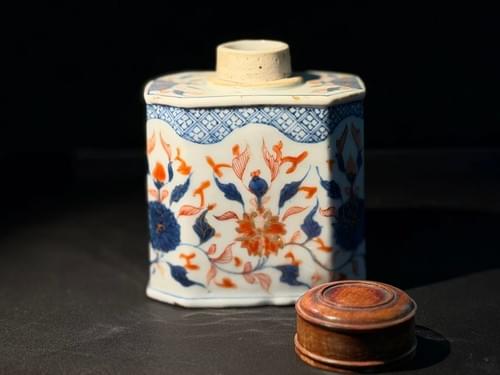
清 矾红描金罐
11 x 9.5cm<br><br>The Kangxi period (1662–1722) marked a peak of revival and development in Qing dynasty porcelain production. The imperial kilns at Jingdezhen were reestablished, and ceramic craftsmanship reached a high level of technical refinement. During this time, the wucai (famille verte) palette evolved on the foundation of underglaze blue decoration, with the combination of iron-red enamels and gilt highlights imparting a distinctly courtly elegance—opulent yet refined. Such wares were often created for both display and practical use.<br><br>Tea caddies, as important utilitarian objects of the period, reflect the literati culture of tea appreciation while also embodying the pursuit of refined living amid the social stability and economic prosperity of the early Qing dynasty.<br><br>康熙时期矾红描金茶叶罐,器形端庄规整,呈八方折角形制,线条利落,胎质细腻坚致。通体以青花为地,辅以矾红设色,并间施描金装饰,构图繁而不乱,色彩对比鲜明。纹饰以折枝花卉为主,布局对称有序,花叶舒展自然,既承明代遗风,又展现出康熙朝装饰风格趋于精致华丽的审美取向。口沿及肩部饰几何纹带,增强整体层次感与装饰节奏。底部露胎,见修足痕迹自然,火石红隐现,符合康熙时期工艺特征。<br><br>康熙一朝(1662–1722)为清代瓷业复兴与发展高峰,景德镇御窑厂恢复生产,制瓷工艺日趋成熟。此时期在青花基础上发展出五彩体系,矾红与金彩的结合尤显宫廷气息,既富丽又不失典雅,多用于陈设与实用兼具之器。茶叶罐作为当时重要的生活器物,既体现文人品茗之风,也反映出清初社会稳定、经济繁荣背景下对精致生活的追求。<br><br>整器画工细致,设色沉稳中见艳丽,兼具观赏性与时代特征,为康熙时期典型的陈设与实用兼备之瓷器,具有较高的艺术价值与收藏意义。
$799.00
Buy now
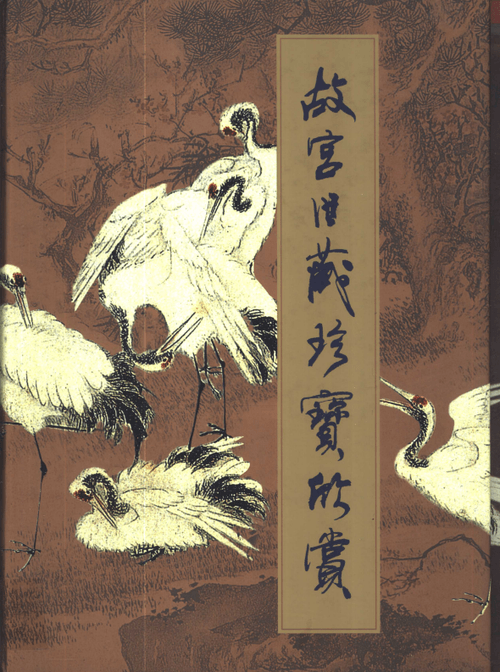
Treasures from the Former Imperial Collection of the Palace Museum 故宫旧藏珍宝欣赏
扫描版 <br>Publisher : Palace Museum<br>Publication date : 11.2000<br>Language : Chinese
$2.99
Buy now
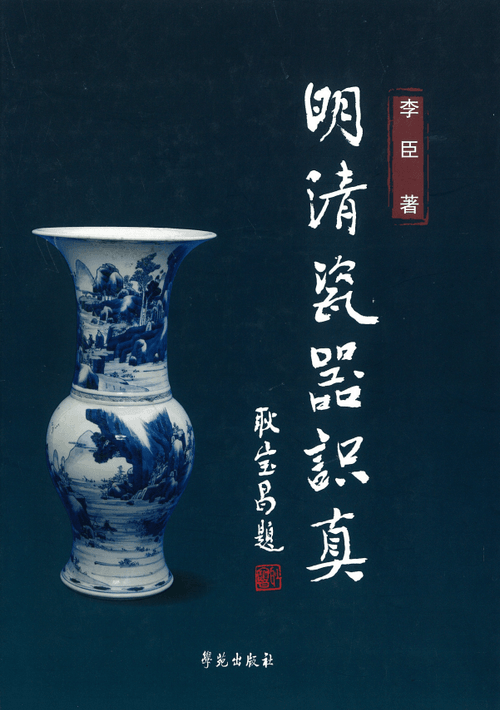
Authenticating Ming and Qing Porcelain 明清瓷器识真
扫描版<br>Publisher : 学苑出版社<br>Publication date : December 1, 2019<br>Language : Chinese
$2.99
Buy now
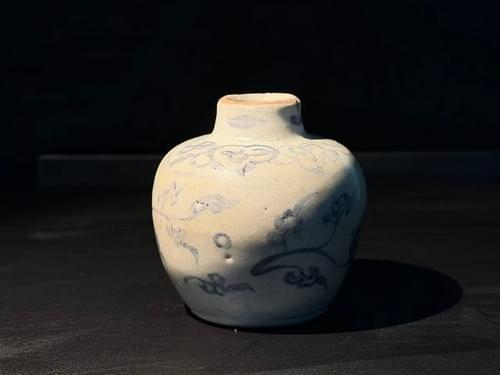
明 青花小罐
A small blue and white jar, Ming Dynasty (1368–1644)<br><br>6.5 x 6.5cm<br><br>明 青花小罐<br>器形端庄秀雅,小口短颈,圆腹饱满,比例协调。通体施釉莹润,外壁以青花绘饰纹样,笔意洒脱流畅,层次分明。青花色泽浓淡相间,富有韵律变化,颇具明代青花特有之艺术表现力。底部露胎,胎质温润。整器虽体量小巧,却气韵生动,体现出明代瓷器简约而不失精致的审美意趣。此类青花瓷器在明代不仅服务于国内市场,亦大量通过海上丝绸之路远销海外,尤其流入东南亚、中东及欧洲地区。其纹饰与器型在一定程度上兼顾中西审美需求,反映出当时中外贸易交流的活跃景象。作为外销体系中的一类典型器物,此类作品既承载了实用功能,亦具有重要的历史与文化价值。<br><br>Blue and white wares of this type were not only produced for domestic use during the Ming Dynasty, but were also widely exported along the Maritime Silk Road to Southeast Asia, the Middle East, and Europe. Their forms and decorative styles often reflect a balance between traditional Chinese aesthetics and the preferences of overseas markets, illustrating the dynamic cross-cultural exchanges of the period. As such, pieces of this type represent an important category within the broader context of Chinese export ceramics, combining both functional and historical significance.<br><br>
$199.00
Buy now
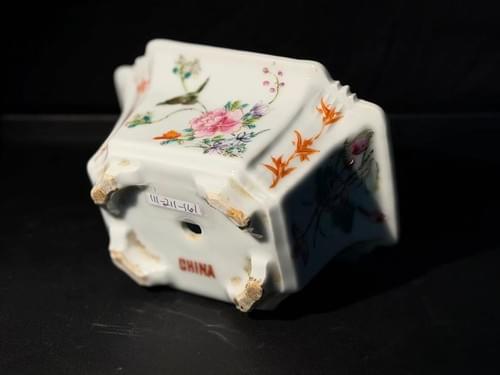
晚清民国 粉彩花卉花盆
A famille-rose porcelain jardinière decorated with floral motifs, Late Qing to Republic period (late 19th–early 20th century)<br><br>12 x 6.5cm<br><br>器呈四方折角式,撇口,平沿外翻,下承四足。通体以粉彩绘牡丹花卉纹,间饰折枝花卉与小鸟,构图疏朗雅致,设色柔和清丽。口沿及棱角处以橙彩绘竹纹装饰,增添文人意趣。底部见“CHINA”款,为晚清民国时期外销瓷之典型特征。整体画工生动自然,具有较强装饰性与陈设价值。<br><br>The jardinière is of square form with canted corners, featuring a slightly flared rim and raised on four short feet. The exterior is finely decorated in famille-rose enamels with peony blossoms, interspersed with floral sprays and a perched bird, the composition well-balanced and elegantly spaced. The enamels are soft and delicate in tone. The rim and corners are further accented with iron-red bamboo motifs, adding a refined literati aesthetic. The base bears a “CHINA” mark, indicative of export porcelain produced during the Late Qing to Republic period. Overall, the painting is lively and natural, and the piece possesses strong decorative and display appeal.
$499.00
Buy now
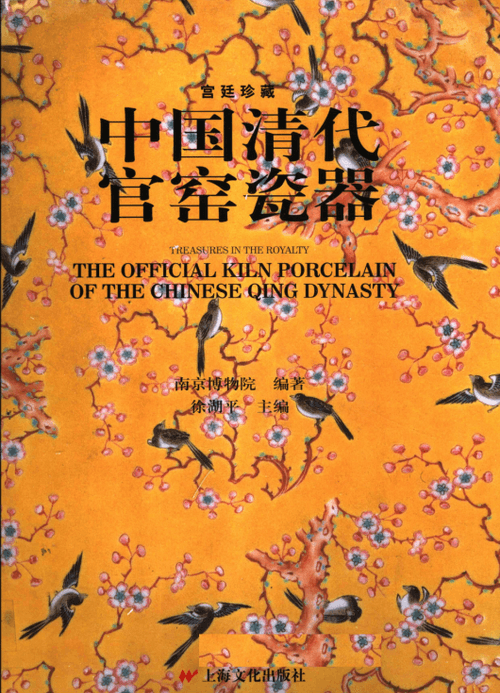
Imperial Treasures: Official Kiln Porcelain of the Qing Dynasty 宫廷珍藏:清代官窑瓷器
扫描版<br>Publisher : Nanjing Museum<br>Publication date : 10.2003<br>Language : Chinese & English
$2.99
Buy now
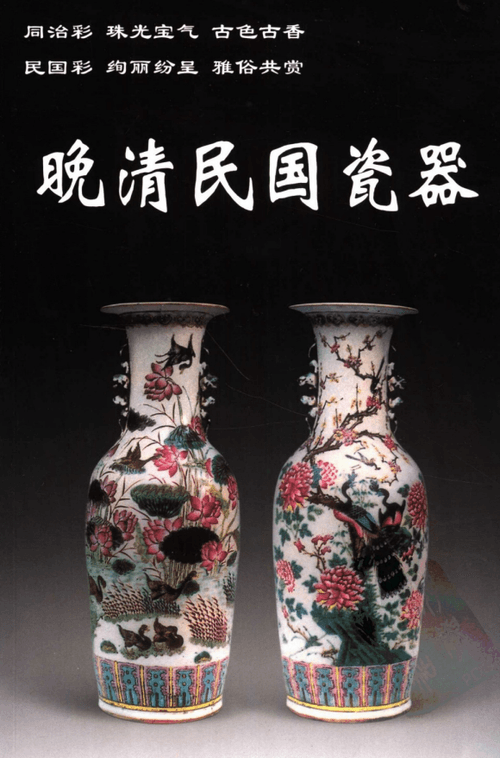
Late Qing and Republic Period Porcelain 晚清民国瓷器
扫描版<br>Publisher : Hualing Publishing House<br>Publication date : 11, 2000<br>Language : Chinese
$2.99
Buy now
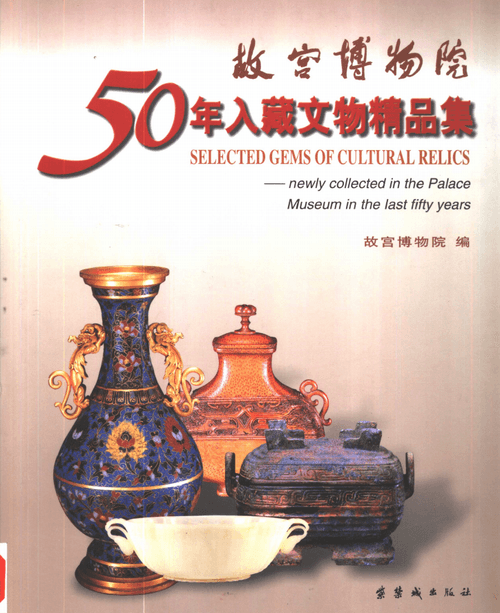
Newly collected in the Palace Museum in the last fifty years 故宫博物院50年入藏文物精品集
扫描版<br>Publisher : Palace Museum<br>Publication date : 09.1999<br>Language : Chinese & English
$2.99
Buy now
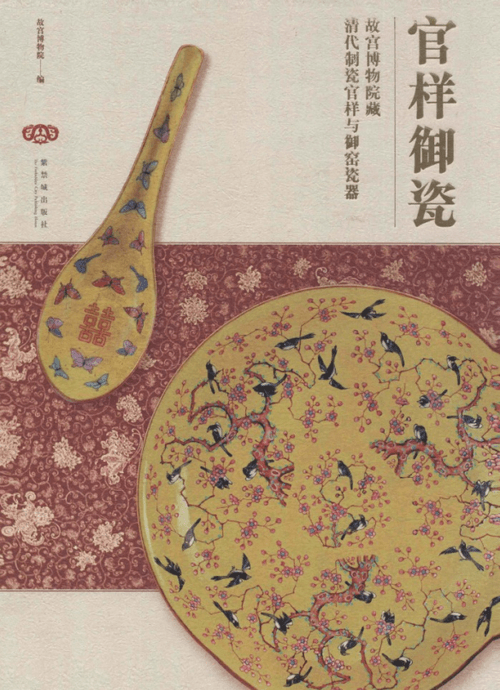
Qing Dynasty Official Porcelain Designs and Imperial Kiln Wares from the Palace Museum
扫描版<br>Publisher : Forbidden City Publishing House<br>Publication date : 8. 2007<br>Edition : Standard<br>Language : Chinese
$2.99
Buy now
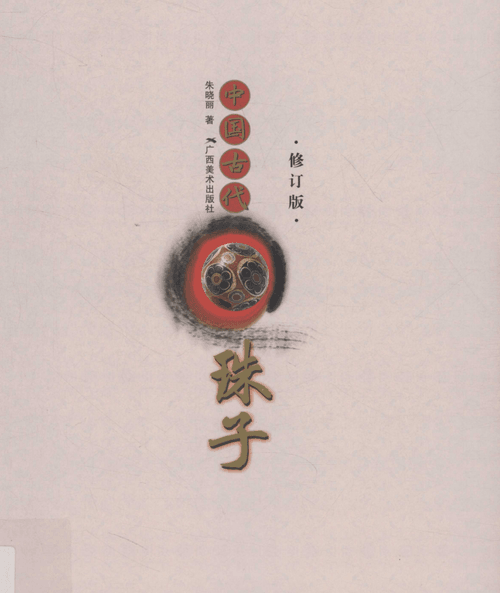
The Complete Book of Ancient Chinese Beads 中国古珠修订版
扫描版<br>Publisher : Guangxi Fine Arts Publishing House<br>Publication date : December 1, 2019<br>Edition : Standard<br>Language : Chinese
$2.99
Buy now
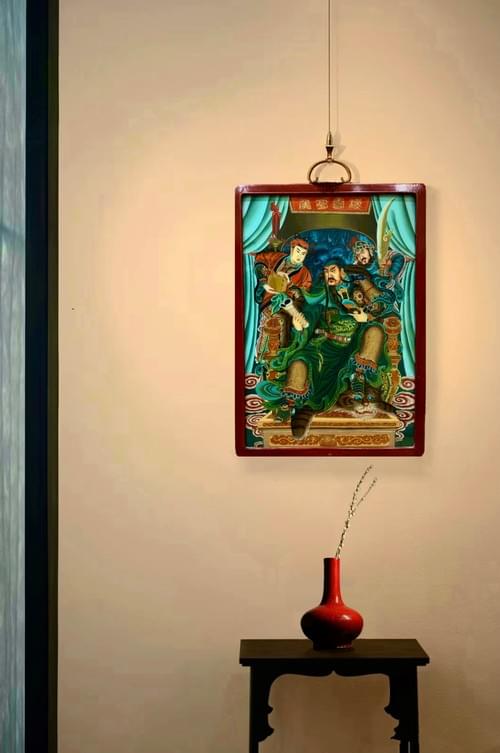
晚清民国时期汉寿亭侯关羽玻璃画
Late Qing to Republic Period Glass Painting of Guan Yu, Marquis of Hanshou<br><br>69.5 x 47.5cm<br><br>关羽,字云长,三国时期蜀汉名将,以忠义著称,后世尊为“武圣”。东汉建安五年(公元200年),关羽在官渡之战期间斩杀袁绍部将颜良,因功被汉献帝封为“汉寿亭侯”。其中“汉寿”为封邑地名,“亭侯”为汉代列侯体系中的一种爵位等级,属于侯爵的一种,因此“汉寿亭侯”成为关羽历史上正式的封号。后世在民间信仰与官方尊崇中,关羽逐渐被神格化,成为兼具忠义、武勇与守护之神的“关帝”“关圣帝君”,广泛受到民间与宫廷的供奉。 画面所绘关羽身披绿袍甲胄,面容威严肃穆,手持文书,端坐虎皮座上,象征其忠义与威武并重。两侧侍从侍立,其一持印匣,其一执青龙偃月刀,构图庄严而富有戏剧性。人物线条细致流畅,设色浓丽而典雅,神态刻画生动,体现出晚清至民国时期民间宗教绘画与装饰艺术的典型风格。 玻璃画是清末民初流行的一种装饰艺术形式,通常在玻璃背面反向绘制,再以彩绘、金线或颜料装饰。其色彩明亮、线条清晰,具有良好的装饰效果。此类作品多悬挂于厅堂、商铺或家宅供奉空间,既具有观赏性,也承载祈福、镇宅与护佑的象征意义。画面构图饱满庄重,关羽端坐中央,神情威严肃穆,长髯垂胸,气度沉稳,两侧侍从环侍,形成典型的主像式构图。人物刻画细腻生动,线条流畅而富有力度,面部表情刻画尤为传神,既表现出关羽的威严气度,也体现出传统绘画中对人物精神气质的重视。衣甲纹饰、虎皮坐垫及器物细节描绘精细,设色浓丽而不失典雅,整体画面层次分明,具有较强的装饰性与视觉冲击力。 关帝在中国传统文化中被视为忠义的象征与守护之神,民间常认为悬挂关帝像可镇宅辟邪、守护家门、保佑事业兴旺。因此此类关帝题材玻璃画不仅是民间艺术的重要遗存,也体现了晚清至民国时期社会信仰与生活审美的结合。
$899.00
Powered By
主页
文章
地址
联系我们
Cookie Use
We use cookies to ensure a smooth browsing experience. By continuing we assume you accept the use of cookies.
Accept
Learn More